


Bee Sting Therapy Sets Kenya’s Chronic Pain Patients Abuzz
July | 17th | 2025 - Written by Staff
Gladys Wanjiru Nguna comes to this wellness center with the aim of being stung by bees.
She’s among a small but growing number of patients in Kenya who believe a bee sting can help ease their pain.
Bellafarm Africa, in Murang’a, central Kenya, is attracting people with conditions such as arthritis, stroke-related complications and endometriosis, among other pain related conditions.
Sixty year-old Nguna suffered a stroke three years ago that left her with weakness on one side.
“When I came here, my left leg had no strength at all. I only had feeling on my left side and leg, as the nerves on my right leg were like dead. But right now, I can feel my leg, when I stand I can feel that it is regaining some strength. Now, I can even feel the pain from the sting, meaning that my nerves are now active.”
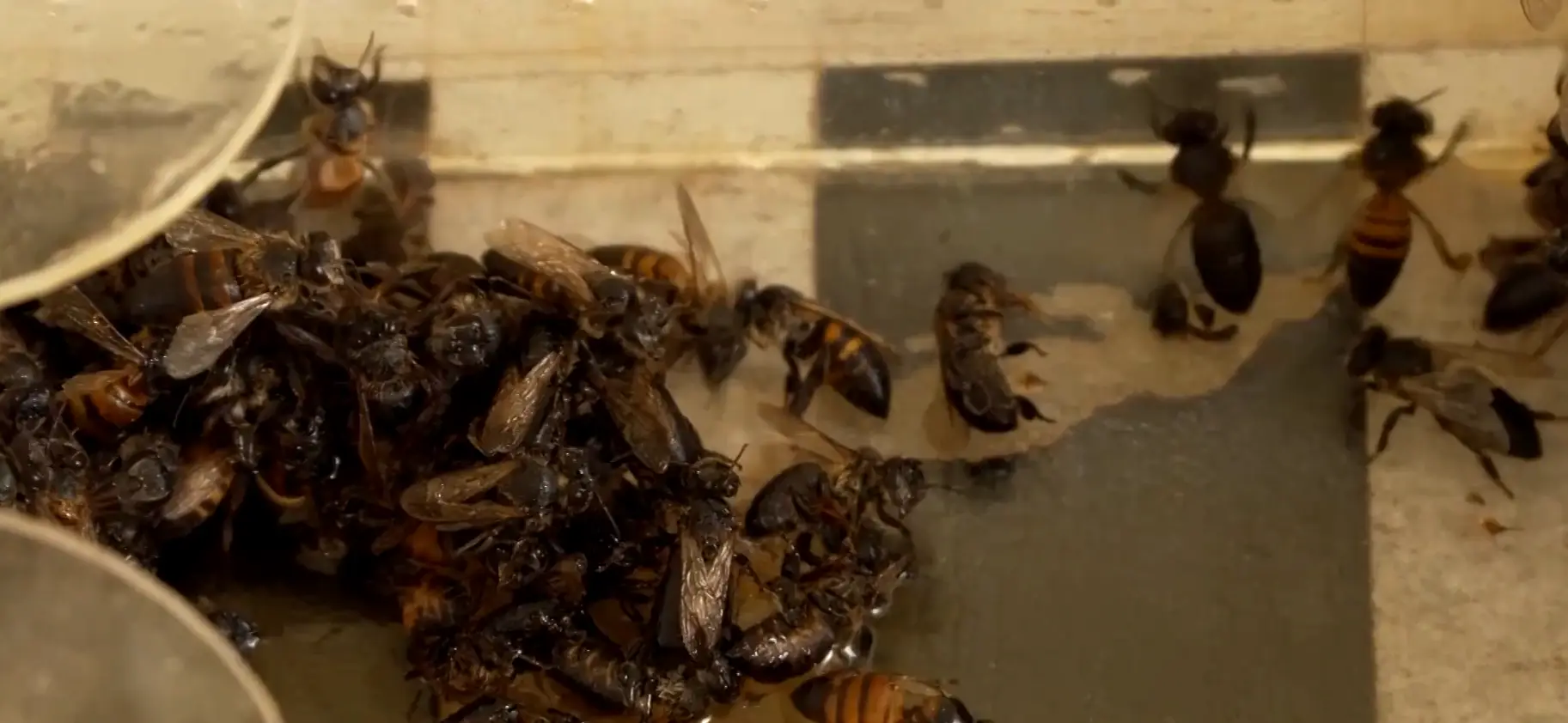
Each sting is achieved deliberately. Bees are placed on specific parts of the body and removed after they deliver venom.
The therapy is administered by Stephen Kimani, a former civil engineer who studied apitherapy in Romania, before founding Bellafarm Africa.
He says he uses bees that are nearing the end of their life cycle, collected when they are pushed out of hives by younger bees.
“We average between four to ten bee stings per session. And based on the strength of the patient, the condition, and also where they live, we at least recommend one session per week.”
The practice is not new, but in Kenya, it remains unregulated and largely outside of formal healthcare, with each session costing about $4.
Some scientists are paying attention.
At Nairobi’s International Centre of Insect Physiology and Ecology, researchers have been studying bee venom and its potential uses.
Beatrice Nganso is a bee health specialist. She stresses that prospective patients should know their allergic status before contemplating treatment.
“Scientists have been able to show that the major compound of the honey bee venom which is a peptide called melittin, has several health benefits. It has antimicrobial properties, antioxidant, anti-inflammatory and even anti-cancer properties. And so this melittin makes up to 50% of the dry weight of the honey bee venom.”
Such is the potential that Kimani says he is planning to start producing injectable vials for customers to buy.
For now, bee sting therapy remains a small, unconventional option, for those still searching for relief, one bee sting at a time.
Reporting by Reuters – via Reuters Connect
share